 Call or Text: 303-320-4440 | Se habla español
 Great Western Pipe & Supply Co.
 For Colorado contractors, the right industrial pipe fittings can make the difference between a smooth installation and a job that gets delayed by missing parts, mismatched materials, or incorrect connection types. At Great Western Pipe & Supply Co., we understand how fast jobsite needs can change. As a Denver-based PVF supplier, we help contractors source pipe, valves, fittings, and piping accessories with the speed, product knowledge, and local support needed to keep work moving. Great Western Pipe & Supply Co. has supplied pipe, valves, and fittings since 1946 and is located in Denver, Colorado.
Start With the Application
Before buying industrial pipe fittings, it is important to understand where and how they will be used. A fitting for a low-pressure plumbing application is not always suitable for an industrial system, mechanical room, manufacturing facility, commercial buildout, or utility project.
Contractors should consider:
- What material is moving through the system?
- What pressure and temperature will the system handle?
- Is the environment corrosive, wet, exposed, or temperature-sensitive?
- Will the fitting need to be threaded, welded, flanged, grooved, or soldered?
- Are there code, safety, or project specifications that must be met?
These questions matter because industrial pipe fittings are not one-size-fits-all. The wrong fitting can lead to leaks, pressure issues, downtime, rework, and unnecessary costs.
Know the Material Before You Order
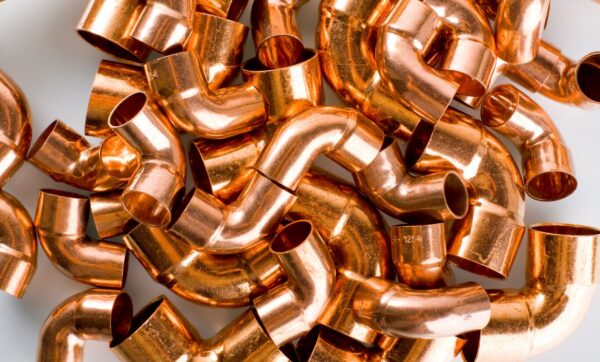
One of the most important decisions contractors make is choosing the correct fitting material. Common options may include carbon steel, stainless steel, copper, PVC, CPVC, brass, malleable iron, forged steel, and cast iron, depending on the system and application. Great Western Pipe’s vendor list includes categories such as steel pipe, copper tube, stainless steel pipe and fittings, malleable fittings, forged steel fittings, cast iron fittings, copper fittings, and weld fittings.
When sourcing industrial pipe fittings, material compatibility should always come first. For example, stainless steel may be selected for corrosion resistance, while carbon steel may be used in many industrial and mechanical applications. Copper fittings are often tied to plumbing and water systems, while PVC or CPVC may be used where plastic piping is appropriate. The key is making sure the fitting, pipe, valve, and system requirements all align.
Confirm Size, Schedule, and Connection Type
Even experienced contractors can run into problems when a fitting is ordered with the right general description but the wrong detail. Pipe size, schedule, wall thickness, pressure rating, and end connection can all affect whether the part works in the field.
For industrial pipe fittings, be ready to confirm details such as:
- Pipe size and fitting size
- Material type
- Schedule or wall thickness
- Pressure class
- Threaded, welded, socket weld, grooved, flanged, or other connection type
- Quantity and any related valves or accessories
This is especially important when placing a will-call order or sourcing materials for a fast-moving job. Great Western Pipe has noted that confirming material, size, schedule, pressure class, end connections, valve type, and quantities can help speed up pickup and reduce confusion.
Think Beyond the Fitting Itself
The fitting is only one part of the full piping system. Contractors often need related products such as valves, pipe, flanges, nipples, hangers, sealants, gauges, or accessories to complete the job properly. When buying industrial pipe fittings, it helps to think through the full connection point instead of the fitting alone.
For example, if you are replacing a section of pipe, do you also need a valve? If you are changing direction in the system, do you need elbows, tees, reducers, or couplings? If you are working on a maintenance repair, do you need thread sealant, gaskets, bolts, or additional pipe accessories?
Planning ahead helps reduce extra trips, keeps crews productive, and supports better project flow.
Why Local Sourcing Matters in Colorado
Colorado contractors deal with tight timelines, changing weather, busy job schedules, and projects spread across Denver, the Front Range, mountain communities, and industrial areas. When you need industrial pipe fittings, waiting on distant suppliers can slow down an entire project.
Working with a Denver PVF supplier gives contractors several practical advantages. Local inventory can support faster pickup. Local product knowledge can help identify the right materials. Local service can make it easier to ask questions, confirm availability, and adjust an order when something changes on-site.
At Great Western Pipe & Supply Co., we carry a full range of sizes and materials in stock to help customers fulfill piping requirements in a timely and cost-effective manner. That kind of support matters when a crew needs answers quickly.
Great Western Pipe Helps Contractors Buy With Confidence
Choosing industrial pipe fittings should not feel like guesswork. The right supplier should help you confirm specifications, avoid mismatches, and get the parts you need without unnecessary delay. Whether you are working on a commercial plumbing project, industrial facility, mechanical system, maintenance repair, or construction job, having a dependable PVF partner can save time and prevent frustration.
At Great Western Pipe & Supply Co., we are proud to support Colorado contractors with reliable products, knowledgeable service, and a customer-first approach. We know that every fitting, valve, and pipe length plays a role in the success of your project.
When you need industrial pipe fittings in Denver or across Colorado, bring us your list, your specs, or your project questions. We are here to help you source the right industrial pipe fittings quickly, accurately, and confidently so you can keep your job moving.