 Call or Text: 303-320-4440 | Se habla español
 Great Western Pipe & Supply Co.
Choosing the right pipe involves more than selecting a material and diameter. In commercial and industrial projects, wall thickness can affect pressure capacity, flow, installation costs, and long-term performance. Understanding schedule 40 vs schedule 80 pipe helps contractors and purchasing teams compare options before ordering materials for a piping system.
What Does Pipe Schedule Mean?
A pipe schedule identifies a standardized wall thickness for a particular nominal pipe size. It does not identify the pipe’s material or provide a universal pressure rating. For steel piping, dimensional requirements are covered by ASME B36.10, while other materials may follow different standards.
Two pipes with the same nominal size and material generally have the same outside diameter regardless of whether they are Schedule 40 or Schedule 80. The difference is the thickness of the wall and, consequently, the space available inside the pipe.
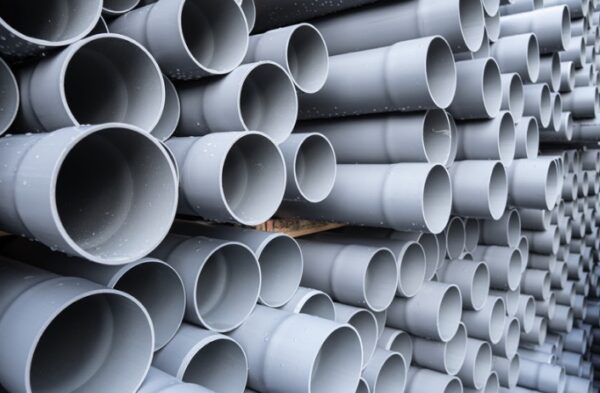
Wall Thickness: Schedule 40 vs Schedule 80 Pipe
The most noticeable difference is that schedule 80 pipe has thicker walls than schedule 40 pipe of the same nominal size. The heavier wall adds material and weight, which can influence both handling and price.
Consider two-inch nominal carbon steel pipe:
- Schedule 40: Approximately 0.154-inch wall thickness.
- Schedule 80: Approximately 0.218-inch wall thickness.
- Both: An outside diameter of approximately 2.375 inches.
These dimensions illustrate why specifying only the outside diameter is insufficient when ordering. The schedule determines how much material surrounds the opening and can affect fabrication choices, including threading and welding requirements.
How Does Pipe Schedule Affect Pressure?
Thicker walls generally allow a pipe of the same material and diameter to withstand greater internal pressure under comparable conditions. However, choosing between schedule 40 vs schedule 80 pipe is not as simple as assigning a single pressure rating to each.
Actual allowable pressure depends on several factors:
- Pipe material and manufacturing specification
- Operating temperature and design pressure
- Nominal diameter and corrosion allowance
- Connections, fittings, and applicable piping codes
For example, a higher schedule does not automatically make a plastic pipe suitable for high-temperature service. Likewise, a thicker steel pipe cannot compensate for an unsuitable material or improperly rated fitting. Designers should verify the complete system against its specifications rather than relying on schedule alone.
Inside Diameter and Flow Capacity
Because the outside diameter stays the same, thicker walls reduce the inside diameter. For two-inch nominal carbon steel pipe, the approximate inside diameter is 2.067 inches for Schedule 40 and 1.939 inches for Schedule 80.
That difference matters when calculating flow velocity and friction losses. A smaller opening may increase resistance to flow at a given flow rate, potentially affecting pump sizing and overall system performance.
This does not mean schedule 80 pipe is inefficient or schedule 40 pipe is always preferable. It means engineers must evaluate pressure requirements alongside flow needs. Selecting a thicker wall without checking hydraulic calculations can create unnecessary costs or change system performance.
Common Commercial and Industrial Applications
Schedule 40 is frequently specified for building services and general-purpose mechanical piping when the material, temperature, pressure, and applicable codes permit its use. Examples may include water distribution, certain HVAC systems, and other routine utility lines.
Schedule 80 is often considered where an application requires greater wall thickness, such as some higher-pressure industrial lines or installations where the design calls for additional material. The appropriate choice still depends on the fluid, operating conditions, and project specifications.
Both schedules are available in different materials, but the intended application of a steel product may differ substantially from that of PVC. Always check material compatibility before treating the two as interchangeable.

Choosing the Right Pipe for Your Project
When evaluating schedule 40 vs schedule 80 pipe, start with the approved drawings and technical requirements. Confirm nominal size, material, schedule, pressure and temperature limits, and compatible fittings. Consider availability, installation methods, and budget only after the required performance is established.
At Great Western Pipe & Supply Co., we help Colorado contractors and industrial customers source pipe, valves, and fittings for a wide range of projects. Browse our line card or contact our team to discuss material requirements and product availability